Project Description
A Gold Mine Project near Rouyn-Noranda in Abitibi-Témiscamingue
The Wasamac mining project is located 15 km west of Rouyn-Noranda, between the Évain and Arntfield neighbourhoods. It is an underground gold mine project with an estimated life span of approximately 15 years.

Agnico Eagle Technical Review
Following Agnico Eagle’s acquisition of the Wasamac mining project in March 2023, a technical review was conducted to update the project in line with corporate standards and the current economic context. Three scenarios were assessed as part of the review: construction of an on-site processing plant as proposed in the previous version of the project, rail haulage, and trucking the ore to an existing processing facility in the region. All recent and historical geological data were also reviewed.
The environmental assessment and permitting processes are expected to resume in 2026. For more information, please refer to the Environmental Assessment page.
The Project
As a result of the technical review, the Wasamac mining project has reduced its environmental footprint and optimized its integration with existing company infrastructure. Ore extracted from the site would be transported by truck to the Canadian Malartic Complex for processing, eliminating the need for an on-site processing plant and tailings storage facility. This approach would significantly reduce the overall surface footprint of the Wasamac project. Mine tailings would be deposited in the Canadian Malartic pit, and waste rock generated during construction at Wasamac would be progressively returned underground as backfill.
Highlights:
- Estimated production reduced to 3,200 to 4,000 tonnes per day
- Ore processing at the Canadian Malartic Complex plant
- Daily truck transport via Highway 117 (approximately 4 trips per hour)
- Transportation of ore by truck to the Canadian Malartic Complex
- No tailings storage facility at the Wasamac site
- Reduced surface footprint and reusable modular infrastructure
- A single underground access ramp
- Access to the site via Aldermac Road
- Estimated mine life of 15 years, with mining depths ranging from 260 m to 800 m
- Approximately 240 direct jobs, excluding indirect jobs and those at the Canadian Malartic Complex plant
- The construction period will generate an average of 150 direct and indirect jobs annually
Surface Infrastructure
The revised project includes minimal, modular surface infrastructure designed to be easily removed and reused once no longer required at Wasamac. A single underground access ramp would be developed. With the exception of the ventilation area, which would be located near the ore deposit, surface infrastructure would be situated north of Highway 101/117, behind a wooded ridge, to improve social and environmental performance. The proposed surface layout also minimizes impacts on wetlands and avoids fish habitat. Temporary stockpiles for waste rock and overburden would be established near the portal area.
Water Management
Following the analysis of several options, the discharge point for the final effluent would be located south of Highway 101/117, in the Wasa stream. This location was selected primarily for hydrological and environmental reasons. The Wasa stream has a higher natural flow than the other sites considered, which helps limit the impact of the effluent on the stream’s hydrodynamics. In addition, the water pipe would be built along existing roads, significantly reducing disturbance to natural environments and avoiding the creation of new corridors. Lastly, no residences are located near the proposed discharge point. The environmental assessment will propose additional mitigation measures to further improve environmental performance and support conditions favourable to biodiversity in the area.

The Wasamac Ore Deposit
The project aims to develop the extensions of the former Wasamac mine. The mineralization dips into the ground at a fairly consistent angle of approximately 55 degrees.
Community Relations
The information and consultation process continues with the same approach, focused on building respectful and engaged relationships with the community.

Check out the articles below to learn more. Click on an article title for a better read.
-
Project Evolution
Share Project Evolution on Facebook Share Project Evolution on X (formerly Twitter) Share Project Evolution on Linkedin Email Project Evolution linkThis project is following the regular course of a typical mine. The following image presents the six stages of the project’s life cycle:

-
Project History, From 1936 to the Present
Share Project History, From 1936 to the Present on Facebook Share Project History, From 1936 to the Present on X (formerly Twitter) Share Project History, From 1936 to the Present on Linkedin Email Project History, From 1936 to the Present link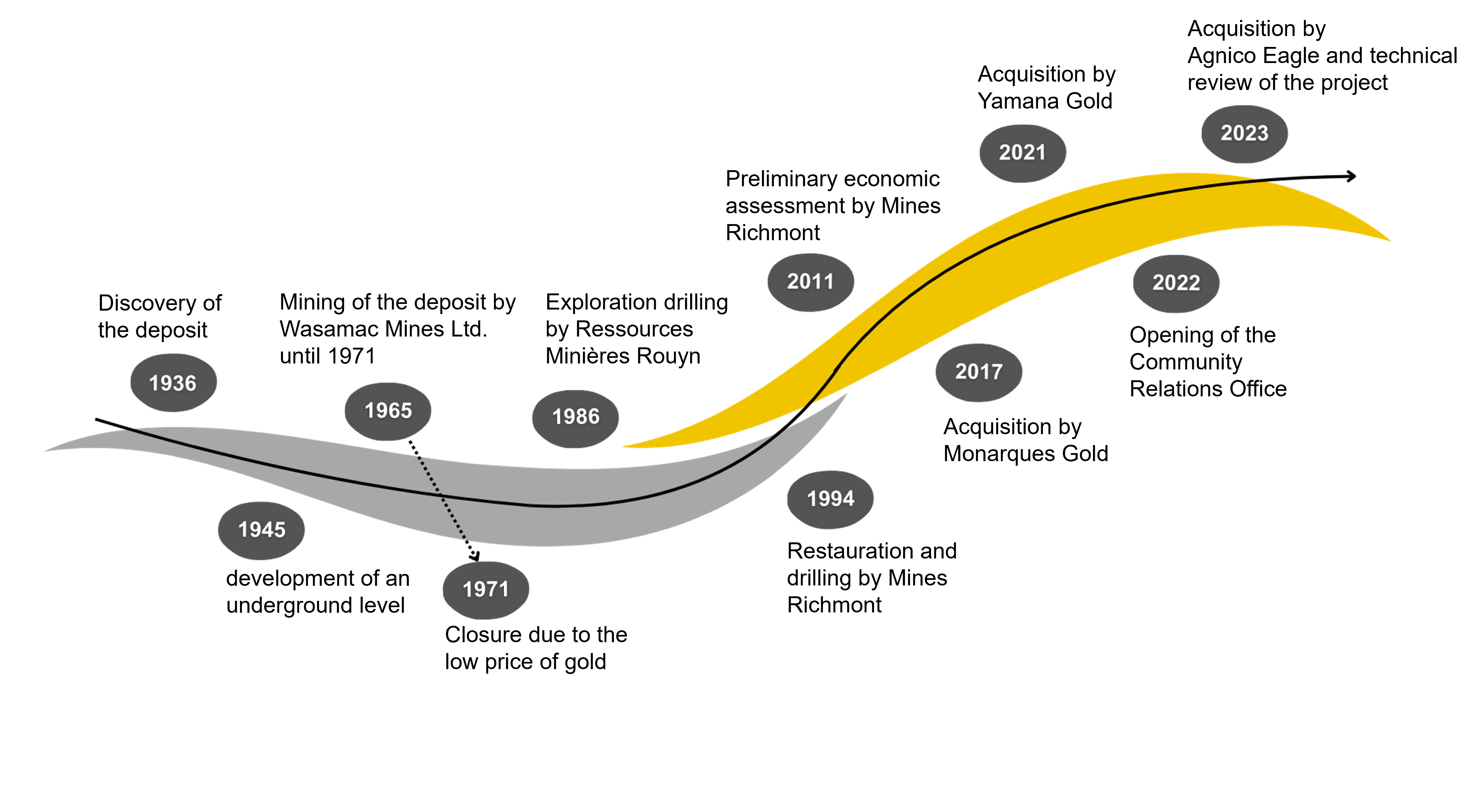
- Discovery of the deposit in 1936 by the Champlain Gold Mine.
- In 1945, a 60-metre shaft (the Wildcat shaft) and an underground level were built.
- Between 1965 and 1971, 1.9 Mt of ore from the Wasamac deposit were processed by Wasamac Mines Ltd., then by Wright-Hargreaves Mines Ltd.
- In May 1971, the mine paused operations due to the low price of gold and an increase in production costs.
- In the 1970s and 1980s, Lac Minerals Ltd. resumed exploration work.
- Following an option agreement with Lac Minerals in 1986, exploration drilling was done by Ressources Minières Rouyn.
- In 1994, Richmont restored the Wasamac mine and did surface exploration work each year from that point on.
- In 2011, Richmont did a preliminary economic assessment of its project, which included a shaft, a headframe, and a plant near private homes in the vicinity.
- Faced with major social acceptability issues, the project was put on hold.
- In 2017, the project was acquired by Monarch Gold. The company conducted a feasibility study in 2018 that yielded a new strategy for the Wasamac project’s development, including two access ramps and main infrastructure positioned north of Route 117.
- In early 2021, Yamana Gold acquired the Wasamac project and began the first phase of its exploration program. After optimization of its feasibility study, the company confirmed its intention to begin operations after obtaining government authorizations.
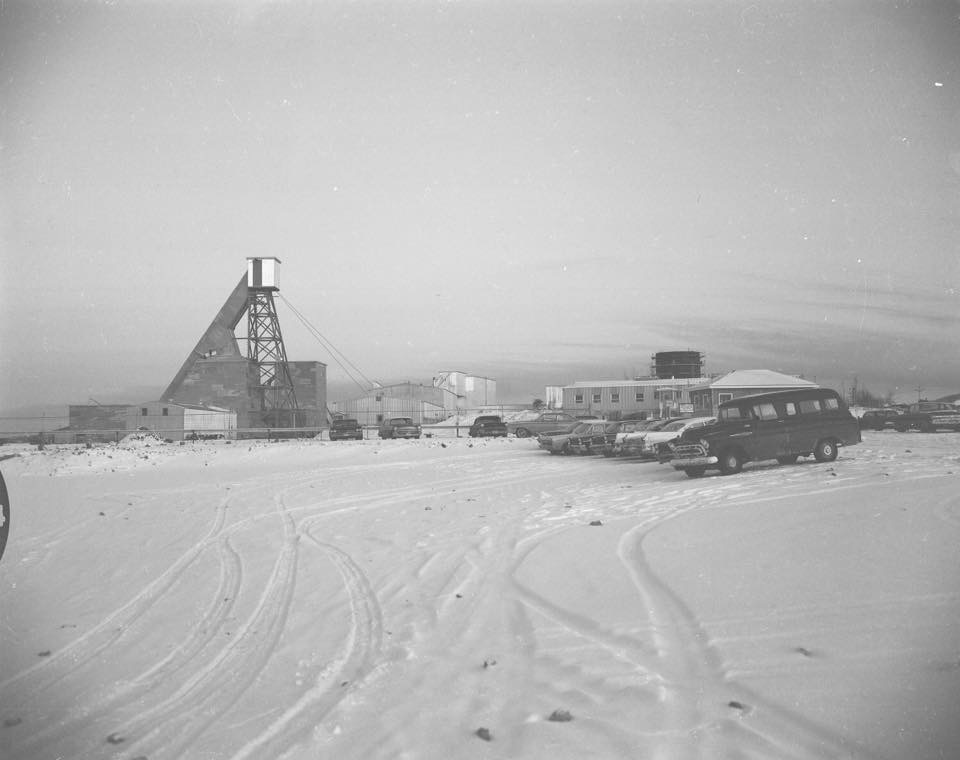
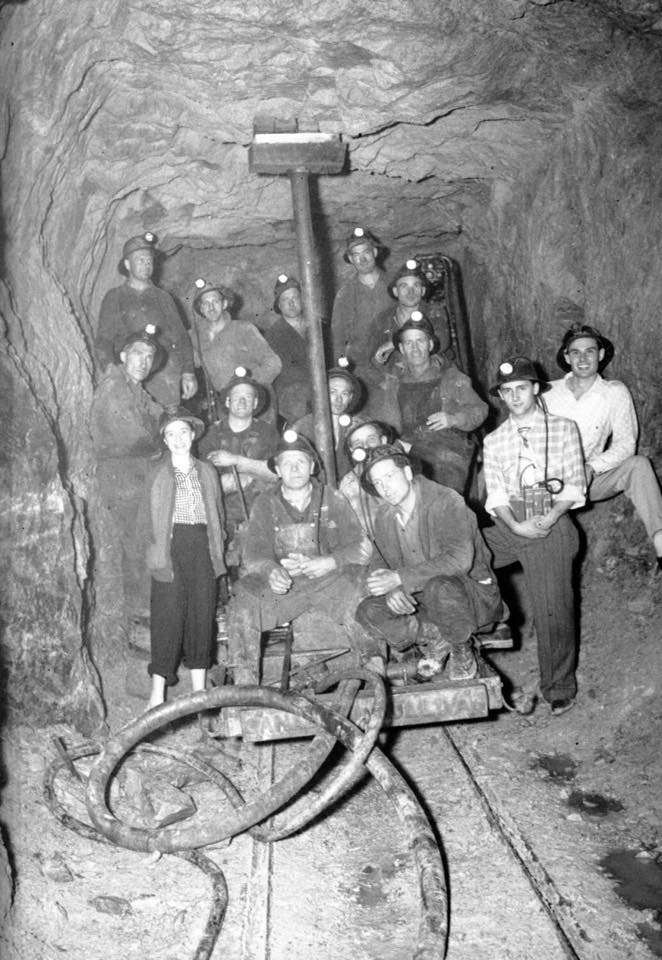
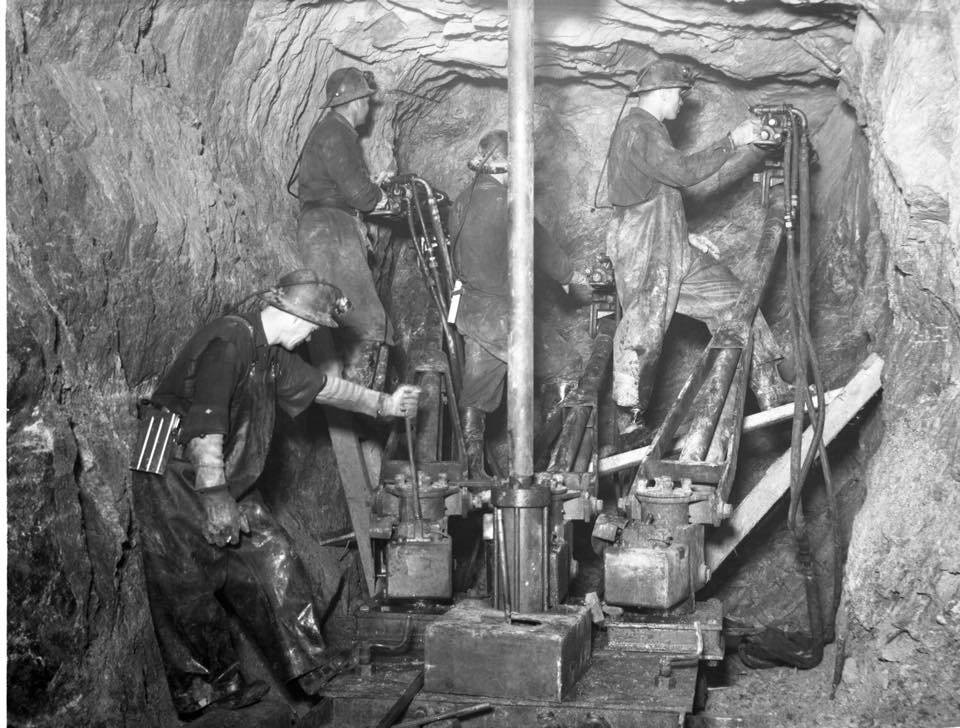
The Wasamac team has launched a podcast in collaboration with historian Jean-Lou David that stirs up the past to help us understand how the mining industry helped shape Rouyn-Noranda and the surrounding area.
The podcast is only available in french.
Spotify: ttps://bit.ly/3BUnO0G
Québec podcasts: https://bit.ly/422GvKk